
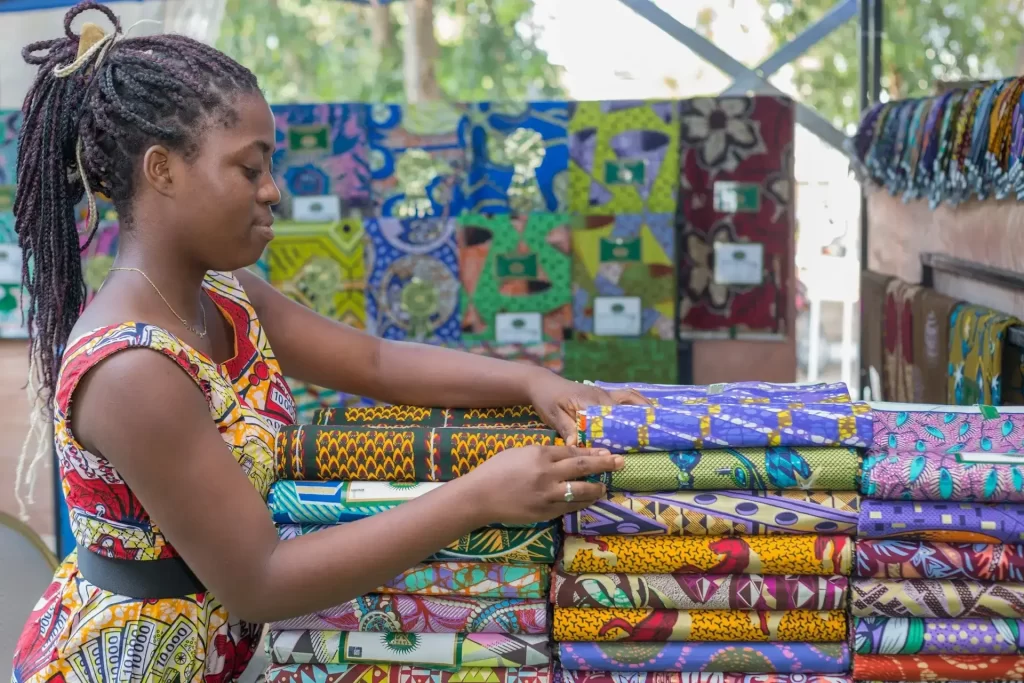
Key points to remember: African fashion embodies unique cultural diversity and craftsmanship, combining symbolic motifs with contemporary creations. It allows us toexpress our identity while supporting ethical initiatives such as “Made in Africa”. With 32 annual Fashion Weeks on the continent, it is a global creative force, ready to reinvent your style with authenticity.
If you’re frustrated by the fact that you can’t integrate African fashion into your everyday life without looking like you’re wearing a disguise, did you know that Africa has 32 Fashion Weeks a year, proof of a booming sector that is reinventing symbolic fabrics like wax, bogolan and kenté? Discover how these materials, bearers of history and craftsmanship, blend with contemporary designs to reinvent your style. From daring accessorizing tips to vibrant color combinations and ethical “Made in Africa” pieces, this guide reveals the keys to adopting this trend without any faux pas – a fusion of cultural heritage and modernity that is redefining global elegance.
- What is African fashion today? Much more than a trend
- Emblematic African fashion fabrics and their secrets
- The trends that will define African fashion in 2024-2025
- How to incorporate African style into your everyday wardrobe
- African fashion for every occasion: from office to cocktail party
- Choose ethical and sustainable African fashion
- Where to find the finest African fashion?
What is African fashion today? Much more than a trend
The vibrant patterns of wax, the embroidery of kente and the hues of bogolan reveal an African fashion that blends tradition and modernity. Each piece embodies a heritage or an innovation, in a booming sector that blends traditional know-how with contemporary creations.
The richness of a continent, not a single style
Africa offers infinite diversity: from the Ghanaian kente, once reserved for the Ashanti kings, to the loincloth used throughout the continent for ceremonies or daily life. UNESCO underlines its potential to become a world leader in fashion thanks to this constant reinvention.
Wax, inspired by Indonesian batik, has become an African symbol. In West Africa, Malian bogolan features geometric motifs, while Ethiopia uses shemma, a lightweight fabric edged with gold thread. These textiles carry social, spiritual and ethnic meanings.
Mix these elements easily in your wardrobe: pair kitenge pants with a sober blouse or sculpted shell jewelry. Find these ethical pieces on africtouch.com, which promotes sustainability and local workshops. African fashion adapts to all seasons and occasions, from work to evening.
By choosing these creations, you support an innovative industry while respecting their cultural symbolism.
Emblematic African fashion fabrics and their secrets
African fabrics are much more than just fabrics: they carry the continent’s history, beliefs and identity. Here’s a closer look at some of the fabrics that can’t be ignored.
Wax: A cultural paradox
Wax, imported to Africa in the XIXᵉ century by the Dutch, has become the pan-African emblem. This wax-printed cotton fabric, inspired by Javanese batik, reveals motifs with multiple meanings. Despite its foreign origins, it is deeply rooted in African culture.
Bogolan: The language of symbols
A true visual language, Mali’s Bogolan tells stories through its black, white and ochre motifs. A circle symbolizes universality, a crocodile evokes strength. Used for ceremonies, this fabric bears witness to ancestral feminine know-how.
Kente : The dress of royalty
Kenté, hand-woven in Ghana, features geometric patterns in silk and cotton. Once reserved for royalty, each color carries a meaning: blue embodies peace, yellow symbolizes prosperity.
Bazin and the reflections of tradition
Bazin, a brilliant damask cotton fabric, remains a prestigious choice. Produced in Côte d’Ivoire and Burkina Faso, its vegetable dyeing is reminiscent of traditional craftsmanship. Brands like Africtouch modernize it for elegant looks.
| Fabric | Origin/Region | Features |
|---|---|---|
| Wax/Pagne | West Africa | Wax-printed cotton fabric with bright, colorful, often symbolic motifs. |
| Kenté | Ghana | Hand-woven, strips of silk and cotton, intricate geometric motifs, once reserved for royalty. |
| Bogolan | Mali | Cotton canvas dyed with fermented clay, graphic motifs with multiple meanings. |
| Bazin | West Africa | Damask cotton fabric, often hand-dyed (indigo dye), glossy and stiff. |
Ethics for responsible style
Malian Bogolan, made without chemicals, embodies sustainable fashion. By purchasing these fabrics via platforms like Africtouch, you are supporting ancestral know-how and the local economy.
The trends that will define African fashion in 2024-2025
African fashion blends tradition and modernity with structured boubous and fitted dashikis. Behind these creations, eco-design asserts itself through sustainable materials and upcycling, reinforced by the impact of social movements, as shown by a study that helped affirm their singularity. Initiatives such as ReFab Diaries give new life to forgotten fabrics, creating unique pieces from local crafts.
- Architectural cuts: bold silhouettes with pronounced shoulders and asymmetries, inspired by African urbanism.
- The daring mix & match: Combine African prints with Western motifs for a hybrid style.
- Gender-fluid fashion: loose-fitting tunics and kimonos, popularized by brands like Orange Culture that defy norms.
- Emphasis on detail: puffed sleeves, elaborate collars and handcrafted embroidery.
Influencers from the diaspora, via Instagram and TikTok, are spreading these trends. Wax, kente and Ankara are reinvented as long dresses or Kitenge ensembles. On AfricTouch, discover accessible looks, such as wax pants paired with a sober blouse, or a light caftan over cigarette pants. South African designers AKJP even offer unisex basics, perfect for everyday wear.
Adaptable to any context, African fashion offers a Kente dress for an evening out or a lightweight boubou for work. Brands such as Goze Green and Rahela use organic cotton and linen, proving that these styles can withstand the seasons. The final accessory remains essential: shell jewelry from Senegal or braided bags from Ghana add a daring finishing touch. On AfricTouch, explore key combinations to integrate these pieces into your wardrobe.
How to incorporate African style into your everyday wardrobe
Adopting African fashion doesn’t mean dressing up, but rather adding a touch of history, color and boldness to your personal style to make it unique. Here are some practical tips for incorporating this style without overdoing it, combining authenticity and modernity, while respecting ethics and sustainability.
Start gently with accessories
Handcrafted pieces are ideal for a first step. A wax scarf tied into a belt, a bib necklace with Kente motifs from Ghana or earrings with Massai beads from Kenya are enough to liven up a sober outfit. These accessories, like theBaule jewelry set, combine copper and traditional fabrics. Worn with a black turtleneck or white shirt, they add elegant contrast without saturating the silhouette. For a modern look, try vegan leather belts adorned with ethnic motifs, available on africtouch.com, or Madagascar raffia braided bags, perfect for a chic weekend away.
Dare to wear a strong piece for an assertive look
For a more distinctive style, opt for a wax pencil skirt paired with a sober blouse, or a patterned bomber worn over jeans and a neutral T-shirt. These pieces, from brands such as Vlisco and Africtouch, combine tradition and modernity. The flowing, printed Mira Dress can be worn on its own for an event, or under a denim jacket for a casual look. Ivorian batik pants and lightweight caftans from Senegal also offer unrivalled versatility for all seasons.
For professional occasions, opt for sober cuts in wax or kente, enhanced by discreet details. In the evening, a kimono in Kuba print or a long dress in loincloth becomes the elegant trump card. In winter, layer a wool poncho with printed pants. To avoid overload, combine geometric patterns with neutral solids or earth tones.
Last but not least, choose ethical and sustainable brands like africtouch.com, which promote local know-how and responsible supply chains. Labels like Obe Atelier use organic cotton fabrics, while Dioro by Adèle reinvents traditional patterns into contemporary creations. This guarantees authentic style, while supporting African artisans and reducing environmental impact. When you choose these pieces, you’re celebrating timeless, committed fashion.
African fashion for every occasion: from office to cocktail party
Do you dream of incorporating African touches into your wardrobe without sacrificing your professionalism? africtouch.com offers pieces to suit every context. Fabrics such as Ghanaian kenté or Madagascan bazin allow for elegant combinations, even in a professional environment. Opt for a discreetly printed wax blouse under a plain pantsuit: a subtle combination of cultural audacity and the sobriety required in the office.
Professional clothing
- For work: A blazer jacket with kente lapels, paired with slim-fitting black pants. Subtle wood or brass jewelry enhances the elegance.
- For meetings: A straight Nigerian adire dress with classic collar. Woven leather accessories reinforce the professional image.
Materials such as bogolan or shweshwe are ideal for job interviews, combining history and structure.
Looks weekend
A loincloth kimono thrown over a black crop top transforms a casual look. Ivorian batik pieces pair easily with denim shorts for a casual yet refined style.
- For strolls: A printed kitenge shirt-dress with Senegalese woven leather sandals. A loincloth tied around the waist completes the look.
- For brunch: a set of chitenge pants and a lace crop top. Maasai beads add a cultural touch.
Ethical brands offer these responsibly produced pieces, using natural dyes.
Elegant evenings
Long dresses in bazin or embroidered caftans are ideal for evening events. The creations mix African fabrics and European lace details.
- For weddings: a pantsuit in satin wax with gold-thread embroidery. Seashell accessories add originality.
- For galas: A mermaid dress in kenté with discreet sequins, paired with hand-embroidered pumps. A blend of tradition and modernity.
africtouch.com offers these evening styles for all body shapes, with certified sustainable fabrics.
Choose ethical and sustainable African fashion
The “Made in Africa” movement embodies a commitment to valorizing local know-how, remunerating artisans fairly and stimulating a sustainable economy. Brands such as SEKBI in Mali, specializing in bogolan, DIARRABLU in Senegal, which fuses mathematics and sustainability, or A A K S in Ghana, designer of bags made from Ghanaian fabrics, illustrate this synergy between tradition and modernity.
“Buying ‘Made in Africa’ means investing in exceptional craftsmanship and helping to empower communities, while affirming that African know-how has universal value.”
Each piece tells a story handed down from generation to generation. SEKBI uses ancestral techniques with low water consumption, preserving the culture and the environment while avoiding waste thanks to made-to-order production.
Tongoro’s initiative, detailed in valorizing African craftsmanship and know-how, creates stable incomes for local weavers, often women, while protecting cultural heritage. Their inclusive approach combines modern design with traditional techniques.
Organic cotton production is on the rise, offering an ecological and profitable alternative. By avoiding chemicals, it preserves the soil and the health of communities. In Burkina Faso, organic farmers earn 11% more than conventional farmers, using methods such as trap crops to limit pests.
Discover these creations on Afric Touch, a platform that offers pieces for every context: an organic cotton shirt for work, a kente dress for an evening out, or wax pants with a neutral top for a casual look.
By choosing these unique creations, you are supporting a sector 90% made up of small businesses. Each purchase contributes to the preservation of traditions, local employment and a responsible textile industry in tune with today’s climate challenges.
Where to find the finest African fashion?
African fashion is gaining in visibility thanks to digital platforms and must-see events. Why look further afield when accessible, authentic solutions exist?
- Specialized online boutiques: Africtouch.com offers a selection of ethical clothing and accessories, combining tradition and modernity. Fabrics such as wax and kente, produced in partnership with local artisans, are featured. A simple way to add an African touch to your wardrobe, without leaving your sofa.
- Social networks: Instagram and Pinterest are full of innovative African designers. For example, Senegalese brand Sisters of Afrika conquered 60,000 views on an Instagram video in just a few hours. These platforms allow you to discover trends in real time, like the tye-dye patterns in their exclusive collection.
- Designer markets and pop-up stores: the Sisters of Afrika event in Paris in May 2024 brought together limited-edition pieces, from Reine & Flora dresses to Fatouma boubous. These physical venues offer an immersive experience, where you can admire details like handmade embroidery or copper jewelry.
Whether you opt for a kitenge dress on Africtouch.com, a beaded bracelet discovered on Instagram, or a visit to a pop-up store, every piece reflects cultural heritage. African fashion, both modern and rooted in tradition, invites you to dare to be original. So, are you ready to explore?
African fashion transcends aesthetics: it celebrates cultural diversity by blending tradition and modernity, through symbolic fabrics, daring designers and ethical commitments. Each piece, a bearer of history, redefines elegance through its textures, colors and meanings. Defying clichés, it asserts itself as a global trend, accessible and profoundly human.
FAQ
What are the different African fashion styles?
African fashion is a mosaic of regional styles and traditions. These include West Africa’s emblematic Wax, Ghana’s hand-woven Kenté, and Mali’s Bogolan, made with natural dyes. Each fabric tells a story: symbolic motifs for Kenté, artisanal techniques for Bazin, or cultural prints for Kitenge. According to UNESCO, the continent hosts 32 Fashion Weeks a year, illustrating its dynamic creativity. This diversity is also expressed in the cuts, from loose-fitting boubou to modern architectural silhouettes.
How to dress elegantly with African elements?
For an elegant approach, focus on balance. Pair a strong piece like a Wax pencil skirt with a neutral blouse, or a printed bomber with sober jeans. Accessories are the perfect start: a loincloth scarf, pearl jewelry or a braided bag. In the evening, opt for a long Bazin dress or an embroidered caftan, accessorized with copper cuffs. The essential thing is toassume your style without falling into stereotypes, respecting the history behind each fabric.
Who are the influential designers of African fashion?
While the title of “greatest designer” remains subjective, several names stand out. Mame Bassine Thiam, a historical figure in Senegal, has reinvented traditional dress into contemporary creations. Bamba Couture Sénégal blends modernity with local motifs. Other designers such as Loza Maléombho (Côte d’Ivoire) and Thebe Magugu (South Africa) combine boldness and heritage. The continent also boasts platforms such as Ananse Africa, which supports emerging designers, proving that African fashion is a thriving ecosystem.
What defines African fashion today?
Today’s African fashion is at the crossroads of ancestral heritage and innovative vision. It celebrates fabrics such as Kenté (symbol of royalty), Bogolan (earth and symbolism) or Batik (Indonesian origin adapted locally). It breaks away from clichés by integrating sustainable materials and gender-fluid cuts. According to a UNESCO report, the sector could become a global mainstay, driven by 32 annual Fashion Weeks and a growing number of young designers.
What are your tips for dressing for different occasions in Africa?
For everyday wear, opt for mixed pieces: a T-shirt dress in Wax fabric or a Kitenge kimono over chino pants. In the office, a discreet blouse under a sober suit or a jacket in Kenté will add an elegant touch. In the evening, opt for noble fabrics like Bazin or Satin, with fine embroidery. The key is toadapt cuts to the seasons and local cultures, while respecting local dress codes.
What are the main styles of African clothing in 2024?
Today’s trends combine tradition and modernity. We find architectural cuts (marked shoulders, asymmetries), mixed prints (combining two African fabrics in the same outfit), unisex fashion (wide tunics, kimonos) and attention to detail (puffed sleeves, precise embroidery). The designers also revisit the Boubou and Dashiki to make them contemporary, while promoting sustainable materials derived from organic cotton.
What is the most popular iconic garment in Africa?
Wax (or Pagne) is a must-have, especially in West Africa, for its diversity of prints. Kenté, once reserved for Ghanaian royalty, has been democratized for ceremonies. Bazin, rigid and shiny, is the preferred choice for weddings. However, each region has its own preferences: Kitenge in East Africa or Shúkà for the Maasai. These fabrics, more than garments, are symbols of identity.
How to dress for an afro-chic evening?
For an Afro-chic evening, opt for noble fabrics like rich Bazin or Kenté, transformed into long dresses, flowing jumpsuits or satin pants. Accessorize with ethnic jewelry (plastron necklace, wooden earrings), embroidered pumps and a daring hairstyle (braids, decorated chignon). An oversized Wax jacket on a black base or a light caftan over cigarette pants are also elegant options. The trick? Play with textures (silk, lace) for a sophisticated look.
How can we celebrate the diversity of African beauty canons?
African beauty is infinitely diverse, and can’t be reduced to a single country or physique. Communities value a variety of features, from traditional hairstyles to Berber facial tattoos and Yoruba scarification. Rather than looking for a single reference, it’s a matter ofappreciating this plurality and respecting the cultural meanings attached to certain styles. In fashion, this translates into freedom of interpretation: each silhouette can appropriate these codes by blending them with its personal identity.